About
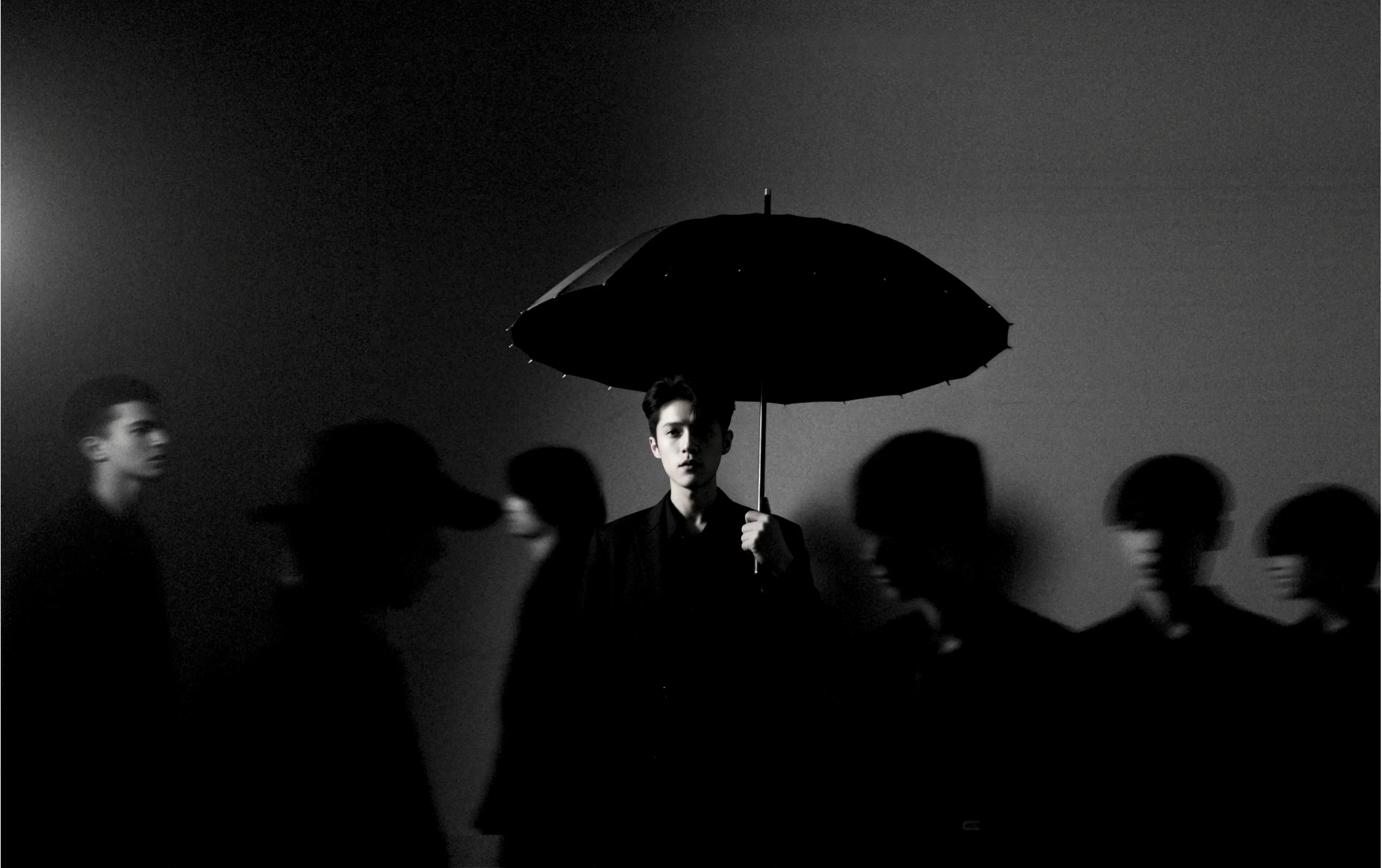
Hi, I’m Niklaus.
I’m a brand strategist and visual designer, but I don’t really think in “pretty.” I think in hesitation.
Most brands don’t lose sales because they look bad. They lose sales because something feels unclear, risky, or slightly off, and buyers can’t explain it, so they bounce. That tiny moment of “hmm… not sure” is where money leaks.
My job is to remove that moment.
I build Brand Visual Systems that make a brand easier to understand, easier to trust, and easier to buy from. Not by adding more “creative,” but by turning strategy into visual rules, then turning those rules into pages and assets that hold up under real life.
Where this got personal
In 2019, I touched my first real design work while I was still in school. The first paid project was small, but it did something to my brain, it proved this skill could keep me alive.
Then I met a kind of rejection that doesn’t sound dramatic, but it sticks.
“It doesn’t feel right.”
“It doesn’t look premium.”
“I can’t explain it, but something feels off.”
So I did what most designers do when they don’t have standards yet. I chased approval.
More revisions.
More hours.
More “I can fix it.”
I tried to outwork uncertainty.
Later, during the pandemic years, I went through the other classic trap, drifting. Messy schedule, guilt in the daytime, overworking at night, telling myself “tonight I’ll fix everything,” then waking up feeling worse.
That era taught me an uncomfortable truth.
Even effort can be self destruction, if it has no system.
The shift
Somewhere between agency work, funnels, landing pages, and too many projects that looked “fine” but didn’t sell, I finally saw the real job of design.
Design is a decision tool.
Good design reduces confusion.
It reduces debate.
It reduces the need for explanation.
It makes the next step feel obvious.
That’s when I stopped caring about “make it pop” feedback and started caring about mechanics:
What does the buyer need to see first?
Where does doubt happen?
What proof removes it?
What structure makes the offer feel safe?
Since then, I’ve shipped 200+ projects across 6 years, mostly with founders and small teams who have something real, but their brand and pages don’t communicate it fast enough.
The work lives where decisions happen: identity, landing pages, key visuals, and the parts of a website that either build confidence or quietly kill it.
How I work
I’m research first, always.
Before I design anything, I map the terrain:
The offer.
The audience.
The real objections.
The alternatives they’re comparing you to.
The exact moment people stall right before they act.
…etc.
Then I build a visual system that you can actually run with.
Not a template.
Not vibes.
Not “here are 12 options so we can pretend we explored.”
I like clean constraints, because constraints create speed.
- Async by default
- Loom over Zoom
- Fixed review windows
- Clear decision rules
- No infinite revisions
If you’ve ever felt like design turns into a black hole of opinions, that’s usually not a “designer problem,” it’s a standards problem.
Yes, I have a small team
I don’t do it alone.
I work with a small crew of introverted design obsessives. The kind of people who notice the detail you didn’t notice, but your buyer definitely felt. We were shaped in a tough market, so we don’t romanticize “creative exploration.” We care about what ships, what holds, and what converts.
When I’m not pushing pixels, I’m usually collecting references I swear I’ll organize later, obsessing over tiny details most people won’t notice but everyone will feel, or attempting a normal weeknight dinner that somehow turns into a mini experiment.
Fun fact: I once redesigned a major e commerce platform mid flight, somewhere around hour 10, when my brain decided sleep was optional and hierarchy was not.
P.S. If you read all of this, you’re either very kind or quietly vetting me. Either way, I appreciate it. The inbox is open.
// ONLY 2 SPOTS LEFT